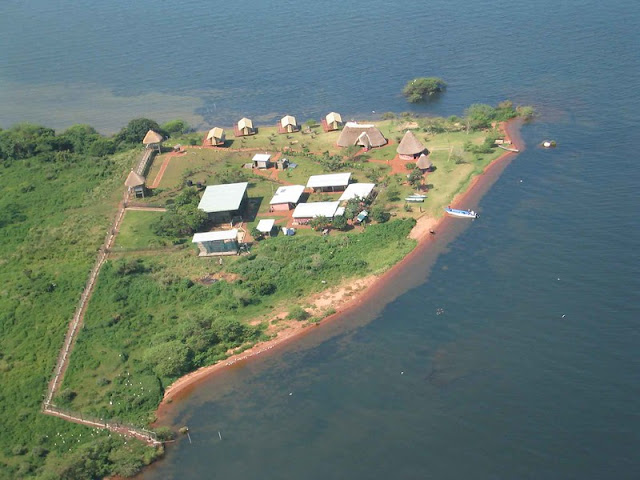
Ngamba Island Chimpanzee Sanctuary Ngamba Island Chimpanzee Sanctuary was established in October 1998 to care for orphaned chimpanzees that have been rescued by the Uganda Wildlife Authority (UWA). Many of the chimpanzees were rescued from poachers and are victims of illegal poaching for bush meat and pet trade. It is for this reason that encroachment on their habitat that they are at a blink of extinction if nothing is done in the next 5-10 years. These chimps and others are taken from the wild and endure incredible hardship and terror before reaching Ngamba Island Chimpanzee Sanctuary. Surrounded by the peaceful waters of Lake Victoria, Ngamba Island Chimpanzee Sanctuary is home to 49 orphaned chimps rescued from throughout Uganda. Chimpanzee Sanctuary and Wildlife Conservation Trust (CSWCT) – an NGO, is responsible for all aspects of the sanctuary at Ngamba Island. Deeply committed to and involved in the conservation education of loc...
Popular posts from this blog
Ngamba Island Sanctuary The sanctuary is located approximately 180 kilometres (110 mi), by road, north of Kampala , Uganda’s capital and largest city. Ziwa Rhino Sanctuary is a collaborative effort between the Uganda , the Rhino Fund Uganda which was formed as a non-government organization (NGO) in 1997 to repopulate Uganda with wild rhinos in the future. The sanctuary offers a secure place where rhino populations can be expanded by breeding, protected from human and non-human predators and gradually re-introduced into Uganda’s national parks , while at the same time, allowing the public to enjoy these majestic animals. The sanctuary is home to least 40 mammals and reptilian species including monkeys, hippopotamuses, monkeys, crocodiles and different bird species The sanctuary also works on animal rehabilitation where other mammals like reptiles or birds were injured or abandoned but are rehabilitated and released back into the w...
MOUNTAIN GORILLAS The mountain gorilla is highly social and lives in relatively stable, cohesive groups held together by long-term bonds between adult males and females. The dominant silver back generally determines the movements of the group, leading it to appropriate feeding sites throughout the year. He also mediates conflicts within the group and protects it from external threats. When the group is attacked by humans, leopards, or other gorillas, the silver back will protect them even at the cost of his own life. He is the center of attention during rest sessions and young gorillas frequently stay close to him and include him in their games. If a mother dies or leaves the group, the silver back is usually the one who looks after her abandoned offspring, even allo...

Comments
Post a Comment